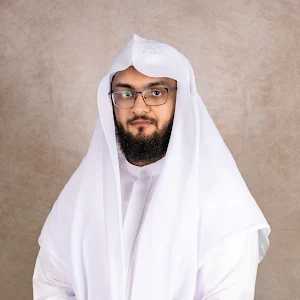
Sheikh Majid Hussain
Islamic Scholar
- Teacher, Al Manar Centre, Dubai
- Verified by Khidma
- English, Urdu
See Sheikh Majid’s workYouTube
What Sheikh Majid helps with
- Reconciliation
- Talaq questions
- Parenting in Islam
- Mediation for couples
- A talaq said in anger
- Low mood in marriage
How Sheikh Majid works
He hears each spouse out, keeps the conversation fair, and looks for an agreement both can live with. Where a talaq has been said, he explains clearly what has and hasn’t happened.
Qualifications
- TeacherAl Manar Centre, Dubai
- LecturerAhmed Al Futtaim Masjid, Dubai
About Sheikh Majid
Sheikh Majid Hussain is an Islamic scholar who teaches fiqh and tafseer at Al Manar Islamic Centre in Dubai and lectures at Ahmed Al Futtaim Masjid. His work with families centres on suluh, the Qur’anic practice of making peace between spouses, alongside talaq rulings and guidance on marriage and parenting.
Suluh begins from the Qur’an’s instruction that when a breach is feared between a husband and wife, an arbiter should be appointed from each side, and that if both want reconciliation, Allah will bring it about. Sheikh Majid works in that spirit. He hears each spouse fully, keeps the conversation fair to both, and looks for an agreement that each of them can honestly live with, rather than a quick answer that leaves one side unheard.
Many couples reach him after words have already been said in anger. Where a talaq has been pronounced, he goes through exactly what was said, when and how, and explains plainly what has and has not taken effect, and what the couple’s options are now. He also supports spouses who feel worn down by long periods of conflict, helping them think through, in Islamic terms, what they owe each other and what they can reasonably ask for.
For families who are still together, he advises on parenting in an Islamic home, and on how to protect children from conflict between their parents. Because he teaches fiqh and tafseer, his guidance is rooted in the texts, but it is delivered for ordinary families rather than for specialists.
In a typical first session he asks each person to describe what has happened in their own words, without interruption, before he says anything about rulings. Couples often find that simply being heard by a neutral scholar changes the tone of the conversation. From there he explains the relevant Islamic principles, the rights and duties of each spouse, and the realistic options open to them, including what reconciliation would require if both want to try. He is direct about rulings where a clear answer exists, and careful to separate what Islam requires from what family or culture expects. Those who come alone, because a spouse will not attend, can still use the session to understand their own position and decide what to do next.
He works with couples, with one spouse on their own, and with parents, in English and Urdu, online, for families across the UAE and beyond.