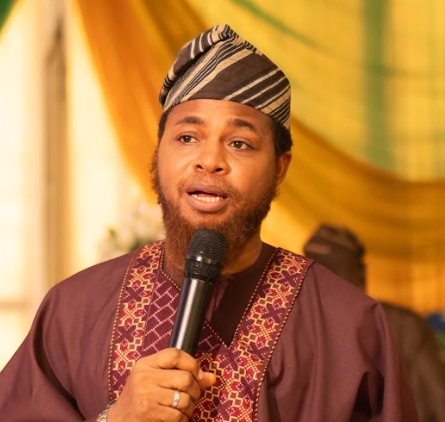
Sheikh Abdul Kabir Nasir Al Asfar
Islamic Scholar
- AAOIFI Certified Sharia Adviser
- Verified by Khidma
- English, Arabic, Yoruba
See Sheikh Abdul’s workYouTubeWebsite
What Sheikh Abdul helps with
- Halal investing
- Contracts
- Marriage issues
- Savings schemes
- Everyday fiqh
- Spouses’ duties
How Sheikh Abdul works
He goes through the details with you, whether that’s a contract or a conflict, and shows which parts are sound and which need to change. His answers are practical and come with their evidence.
Qualifications
- AAOIFI Certified Sharia Adviser
- ImamAl Jazeerah Mosque, Lagos
- DirectorClear Path Islamic Centre
About Sheikh Abdul
Sheikh Abdul Kabir Nasir Al Asfar is a Lagos-based Islamic scholar, imam and Sharia adviser whose work sits where faith meets money and family life. He holds the Certified Sharia Adviser and Auditor qualification from AAOIFI, the international body that sets standards for Islamic financial institutions, and has more than a decade of public scholarly work in Nigeria behind him.
He is imam of Al Jazeerah Mosque in Badore, Ajah, directs Clear Path Islamic Centre in Lekki and Daarul-Hijrah Madrasah, and leads Al-Mudawwanah Consultancy, which advises on Sharia compliance. He is also a member of the Insight Institute (Mahadul Baseerah), a trained Arabic–English translator, and an instructor in Islamic creed and jurisprudence.
His specialism is Islamic finance in everyday life. He screens investments and shares for Sharia compliance, advises cooperative societies on structuring traditional savings schemes such as ajo and esusu in a halal way, and reviews business contracts with owners before they sign. He has written on Islamic finance in Nigerian newspapers including Vanguard since 2011, and has taken part in broadcast discussions on strengthening Nigeria’s Islamic finance industry.
The same careful, evidence-based approach carries into his work with families. Money is a common source of conflict in a marriage, and he helps couples understand what each spouse owes the other, how household and business finances should be handled, and how to resolve disputes fairly. He also answers everyday fiqh questions for individuals and families.
Typical questions include whether an investment, a share or a company listing is permissible, how a savings group should be organised so that no one is treated unfairly, what a business partnership contract should contain, and how a family should handle money once a business and a household overlap. He has discussed topics such as building the legal framework for Islamic finance in Nigeria and coping with financial hardship in Islamic terms on Nigerian web television, and he regularly delivers Friday khutbahs and community lectures that touch on halal earning and family responsibility.
He goes through the details with each client, whether a contract or a conflict, shows which parts are sound and which need to change, and explains the evidence behind his answer. He works in English, Arabic and Yoruba, with business owners, professionals, couples and families across West Africa and the diaspora.